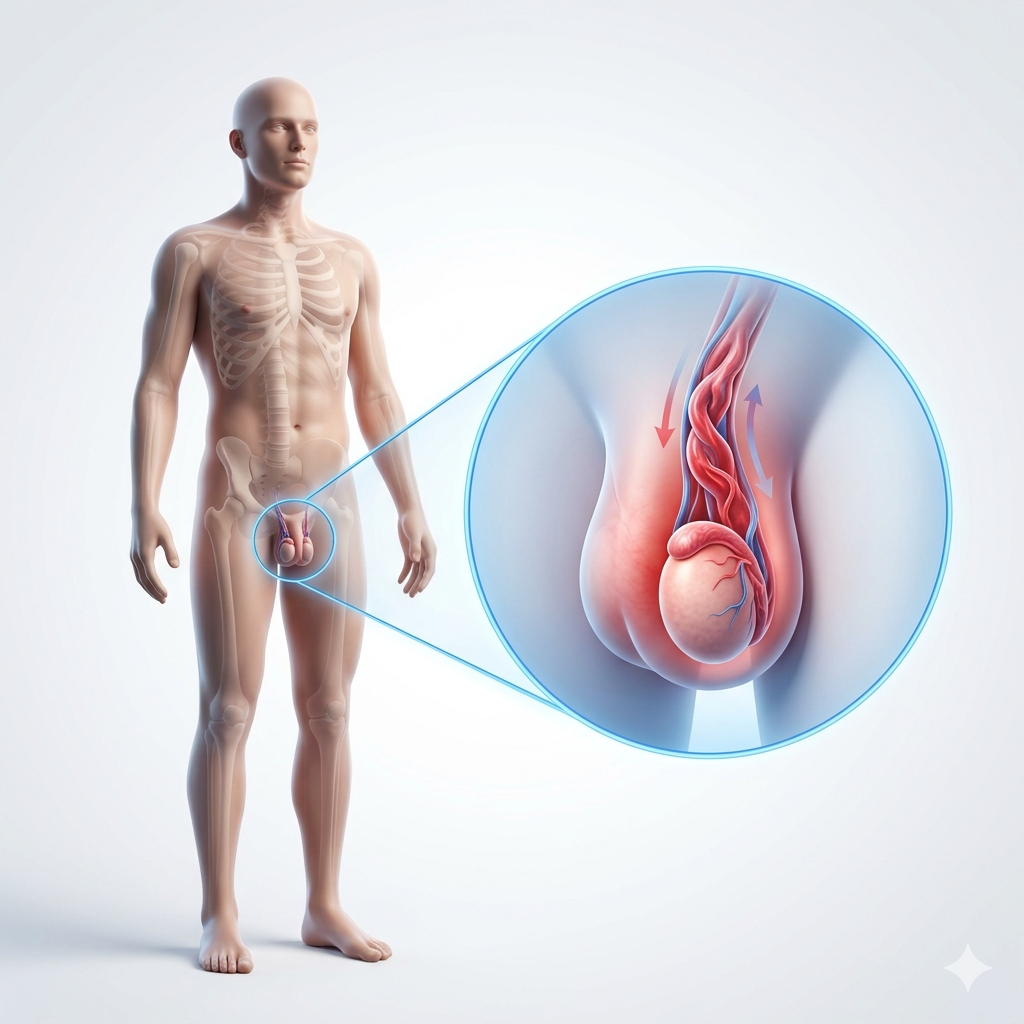
Piles, also known as hemorrhoids, are swollen and inflamed veins located in the lower rectum or around the anus. They are one of the most common anorectal conditions affecting millions of people worldwide. Depending on their location, piles can be classified as internal or external and may vary in severity from mild discomfort to significant pain and irritation.
People suffering from piles often experience symptoms such as rectal bleeding during bowel movements, itching, burning sensations, swelling around the anal area, discomfort while sitting, and the feeling of incomplete bowel evacuation. In some cases, a small lump may develop near the anus, causing additional discomfort and affecting daily activities.
Several factors can contribute to the development of piles, including chronic constipation, prolonged straining during bowel movements, a low-fiber diet, obesity, sedentary lifestyle habits, pregnancy, and extended periods of sitting. Without proper attention, symptoms may gradually worsen and lead to increased discomfort and complications.
Early diagnosis and appropriate management play an important role in controlling symptoms and improving overall quality of life. A well-planned treatment approach, combined with dietary modifications, adequate hydration, healthy bowel habits, and lifestyle changes, can help reduce discomfort and support long-term digestive health.
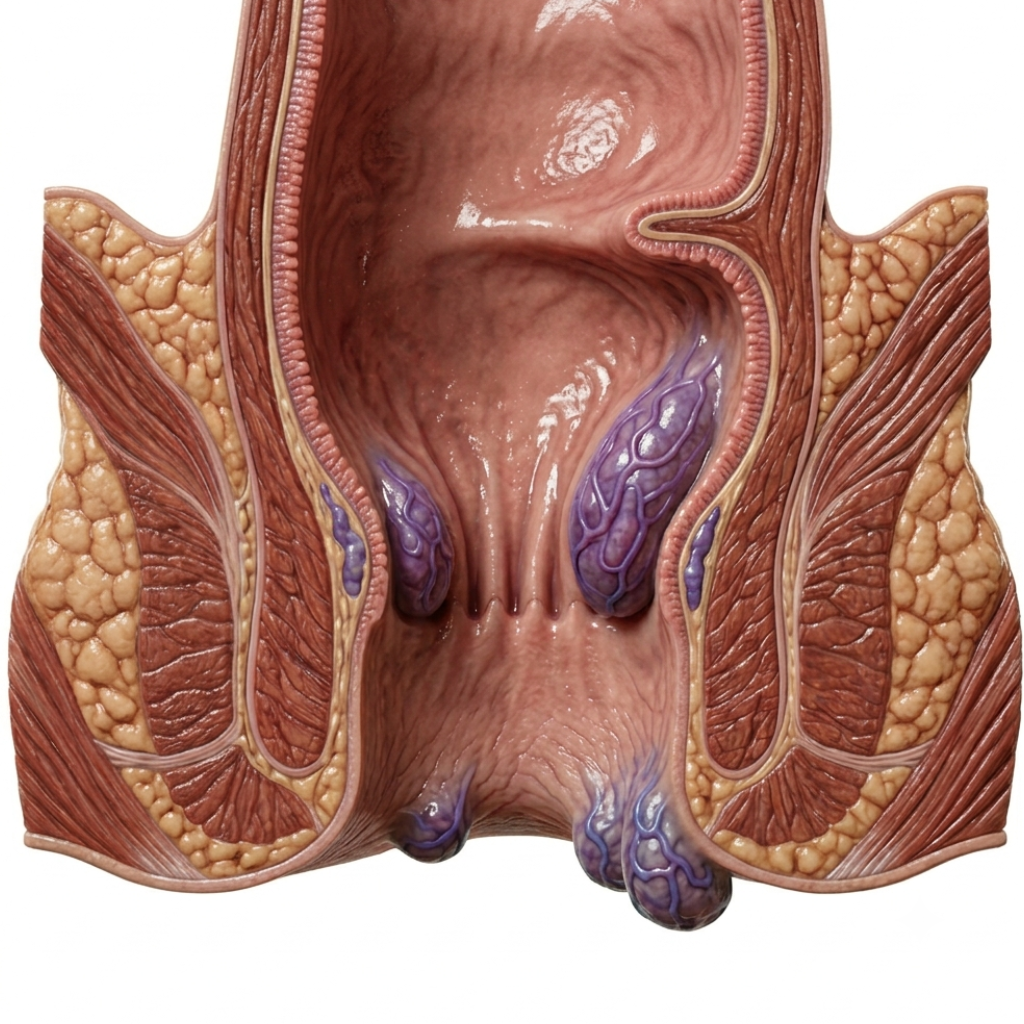
Piles are enlarged blood vessels located in or around the anal canal. Depending on their location, they are classified into:
Internal piles develop inside the rectum and are usually not visible. They may cause painless bleeding during bowel movements and, in advanced stages, may protrude outside the anus.
External piles develop under the skin around the anus. These can cause pain, swelling, irritation, and discomfort while sitting or passing stool.
In some cases, internal piles may enlarge and extend outside the anal opening. This condition is known as prolapsed piles and often requires timely medical attention.
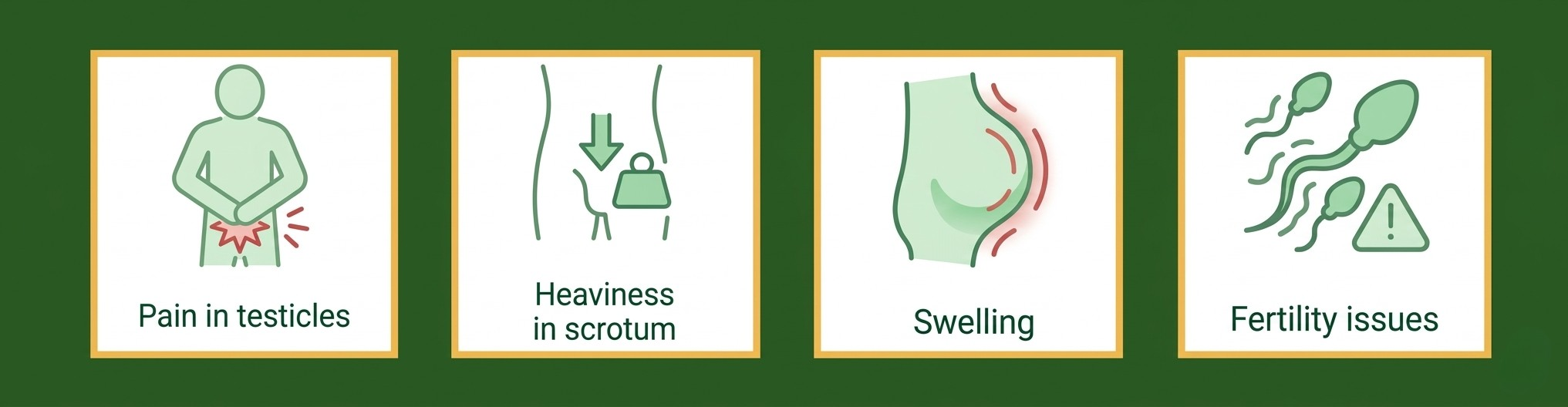
While some cases of varicocele remain mild, others can progress and cause significant health issues. The pooling of blood can lead to:
Because of these effects, varicocele is considered one of the leading causes of male infertility.